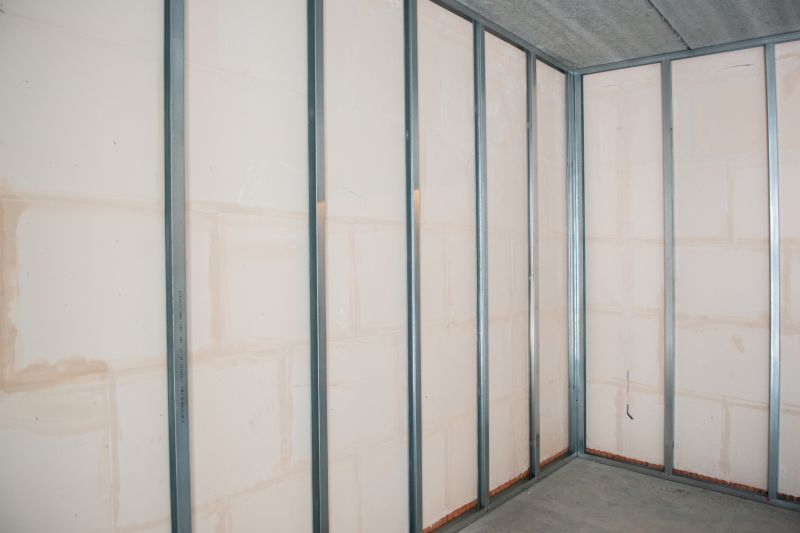
Basement Soundproofing in Longmont, CO
Basement soundproofing services focus on reducing noise transmission between the lower level of a home and upper floors or neighboring spaces. This type of project typically involves adding insulation, specialized drywall, or sound-absorbing materials to walls, ceilings, and floors to create a quieter environment. Homeowners often seek soundproofing for home theaters, bedrooms, or shared living areas to enhance privacy and comfort, as well as to minimize disturbances from activities like laundry or mechanical systems.
Before requesting basement soundproofing, property owners usually want to understand the scope of the existing space, including wall and ceiling construction, as well as the types of noise they wish to reduce. It’s helpful to consider the level of soundproofing desired and any specific areas that require more attention. Clarifying these details can ensure the project addresses the unique needs of the home and results in a more peaceful basement environment.
Many property owners in Longmont, CO look into Basement Soundproofing for repairs, replacements, upgrades, and appearance-related improvements.
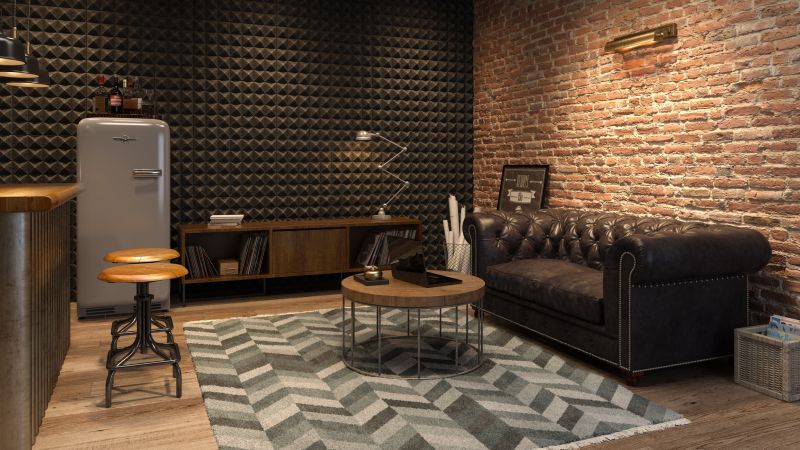
Benefits Of Basement Soundproofing
Enhances privacy and reduces noise transfer between levels in your home.

Common Soundproofing Solutions
Includes insulation, drywall upgrades, and specialized barriers for effective noise control.
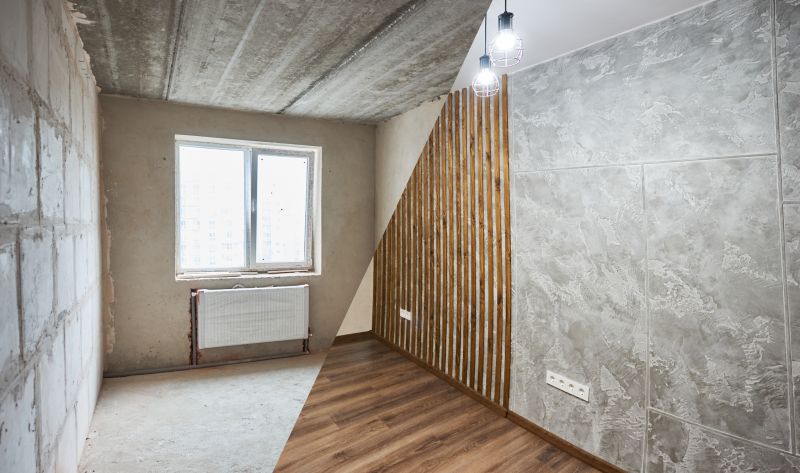
Ideal Projects For Soundproofing
Suitable for home theaters, music rooms, or creating quiet spaces in longmont residences.
Basement Soundproofing in Longmont, CO

Basement soundproofing services focus on reducing noise transmission between the lower level of a home and upper floors or neighboring spaces. This type of project typically involves adding insulation, specialized drywall, or sound-absorbing materials to walls, ceilings, and floors to create a quieter environment. Homeowners often seek soundproofing for home theaters, bedrooms, or shared living areas to enhance privacy and comfort, as well as to minimize disturbances from activities like laundry or mechanical systems.
Before requesting basement soundproofing, property owners usually want to understand the scope of the existing space, including wall and ceiling construction, as well as the types of noise they wish to reduce. It’s helpful to consider the level of soundproofing desired and any specific areas that require more attention. Clarifying these details can ensure the project addresses the unique needs of the home and results in a more peaceful basement environment.
Many property owners in Longmont, CO look into Basement Soundproofing for repairs, replacements, upgrades, and appearance-related improvements.
Common Basement Soundproofing Jobs
Basement Soundproofing - reduces noise transfer between floors for a quieter home environment.
Wall Insulation - minimizes sound traveling through basement walls and partitions.
Ceiling Soundproofing - dampens sound from upper levels or external sources.
Floor Underlayments - absorbs impact noise and prevents sound from traveling to lower levels.
Vibration Damping - reduces noise caused by structural vibrations and equipment.
Acoustic Sealants - blocks gaps and cracks to improve overall soundproofing effectiveness.



Basement Soundproofing Questions
What is basement soundproofing? Basement soundproofing involves adding materials and barriers to reduce noise transmission between floors and rooms, creating a quieter living space.
What types of noise can soundproofing address? It can help minimize sounds from footsteps, music, appliances, and other household activities that travel through the basement.
Is soundproofing suitable for finished or unfinished basements? Yes, soundproofing can be applied to both finished and unfinished basements to improve acoustic comfort.
What are common soundproofing methods for basements? Methods include installing acoustic panels, sealing gaps, adding insulation, and using resilient channels to dampen sound vibrations.
Request Basement Soundproofing in Longmont, CO
Use the quote form on this page to share the basics of your project and request more information for the type of work you need.