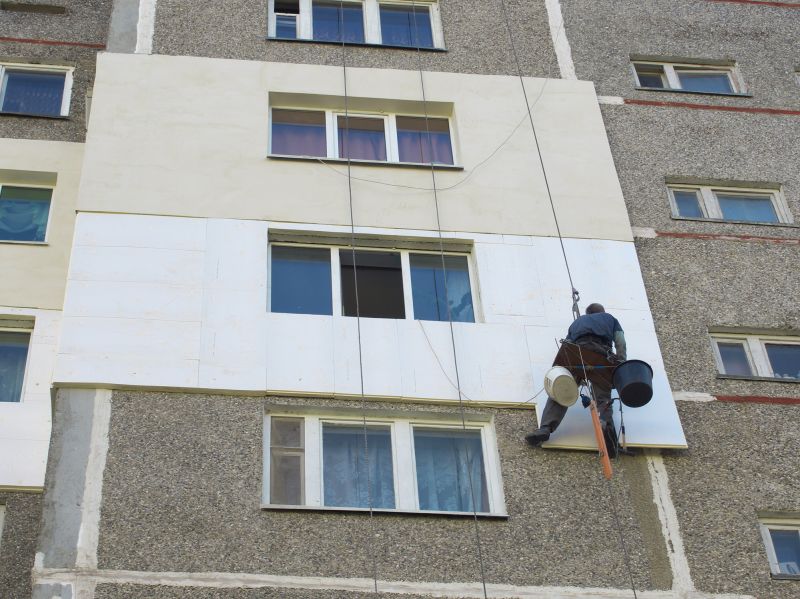
Rigid Insulation Installation in Boulder, CO
Rigid insulation installation is a process that involves placing high-performance insulation boards within walls, ceilings, or foundations to improve a property's energy efficiency and thermal comfort. This type of insulation is suitable for a variety of projects, including new construction, renovations, basement finishing, or upgrading existing insulation in attics and exterior walls. Property owners often want to understand the different types of rigid insulation materials available, such as foam boards or polyisocyanurate, and how these can enhance energy savings and indoor comfort for their homes.
Before requesting rigid insulation installation, property owners typically seek information about the best placement options for their specific building structure and climate conditions. They may also inquire about the installation process, durability, and how the insulation will integrate with other building components. Understanding the overall benefits and considerations helps ensure the chosen solution aligns with the property's needs, providing long-term performance and energy efficiency.
Many property owners in Boulder, CO look into Rigid Insulation Installation for repairs, replacements, upgrades, and appearance-related improvements.
Benefits Of Rigid Insulation
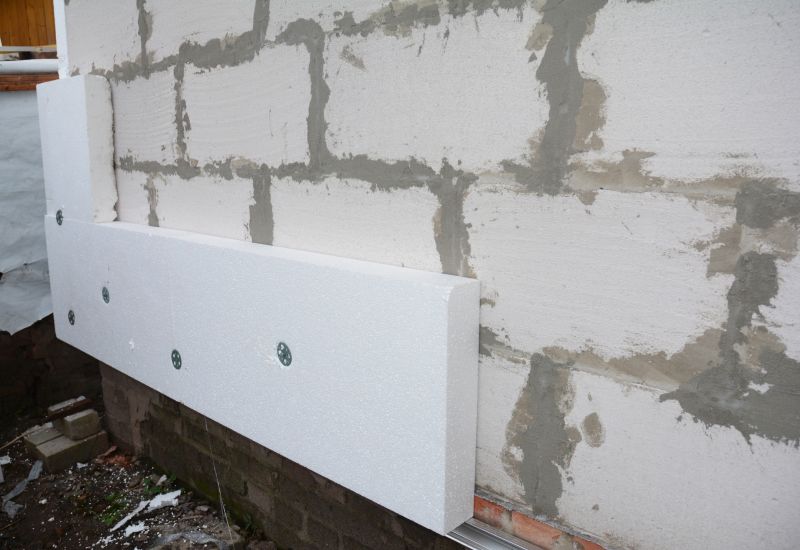
Rigid insulation helps improve energy efficiency and reduce heating and cooling costs for boulder homes.
Common Installation Applications
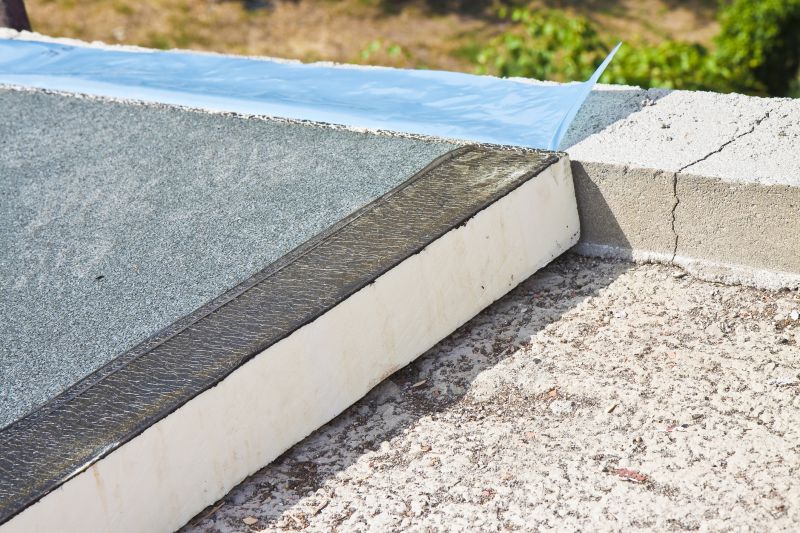
This insulation type is often used in basement walls, exterior sheathing, and roofing projects around boulder.
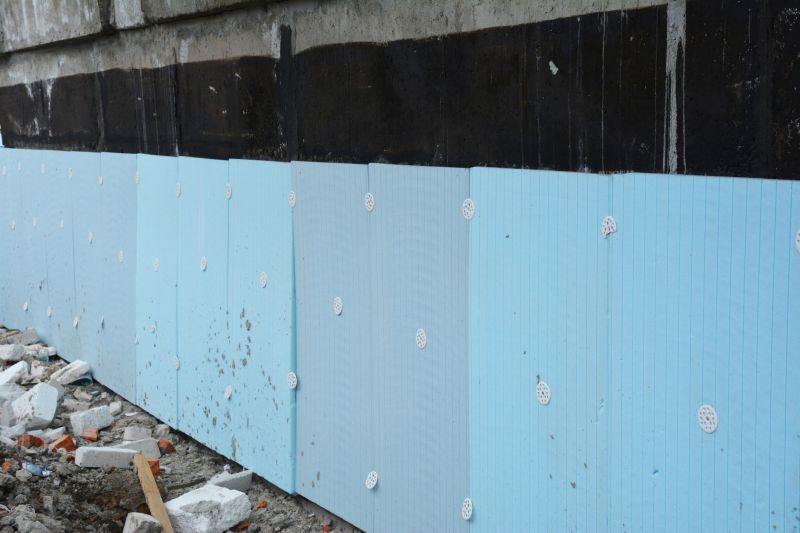
Choosing The Right Rigid Insulation
Selecting the appropriate type depends on your property's specific insulation needs and construction requirements.
Rigid Insulation Installation in Boulder, CO
Rigid insulation installation is a process that involves placing high-performance insulation boards within walls, ceilings, or foundations to improve a property's energy efficiency and thermal comfort. This type of insulation is suitable for a variety of projects, including new construction, renovations, basement finishing, or upgrading existing insulation in attics and exterior walls. Property owners often want to understand the different types of rigid insulation materials available, such as foam boards or polyisocyanurate, and how these can enhance energy savings and indoor comfort for their homes.
Before requesting rigid insulation installation, property owners typically seek information about the best placement options for their specific building structure and climate conditions. They may also inquire about the installation process, durability, and how the insulation will integrate with other building components. Understanding the overall benefits and considerations helps ensure the chosen solution aligns with the property's needs, providing long-term performance and energy efficiency.
Many property owners in Boulder, CO look into Rigid Insulation Installation for repairs, replacements, upgrades, and appearance-related improvements.
Common Rigid Insulation Installation Jobs
Basement insulation - Rigid insulation can improve thermal efficiency and reduce moisture issues in basement spaces.
Exterior wall insulation - Installing rigid boards on exterior walls helps enhance energy savings and protect against weather.
Attic insulation - Rigid insulation provides a durable barrier to prevent heat loss through attic spaces.
Foundation insulation - Properly installed rigid insulation helps maintain consistent basement temperatures and prevent cold drafts.
Commercial building insulation - Rigid insulation is used to meet energy codes and improve building performance.
Roof insulation - Installing rigid boards under roofing systems can increase resistance to temperature fluctuations.
Rigid Insulation Installation Questions
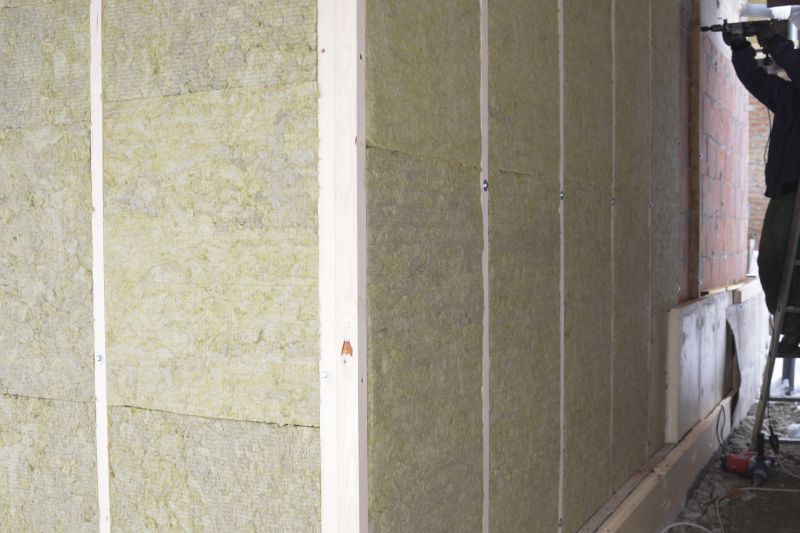
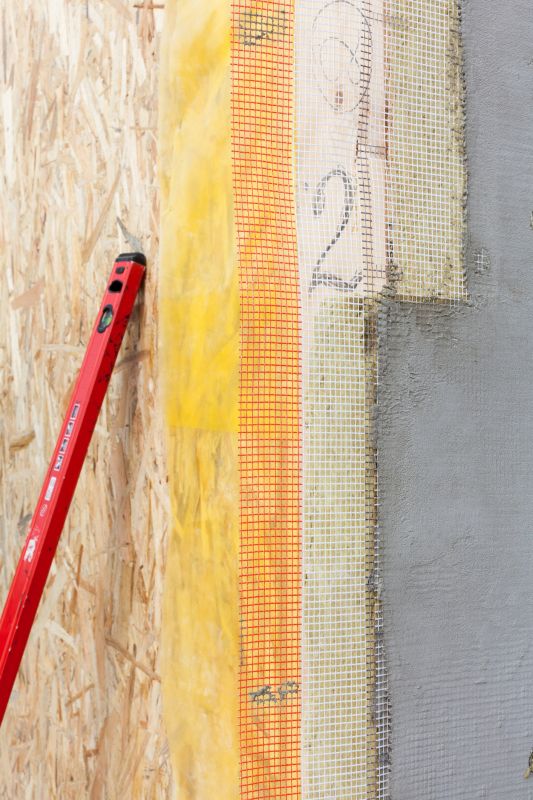
What is rigid insulation used for? Rigid insulation is used to improve thermal resistance in walls, roofs, and foundations, helping to reduce energy costs and increase comfort.
Where can rigid insulation be installed? It can be installed in residential and commercial buildings, including basements, attics, exterior walls, and under slabs.
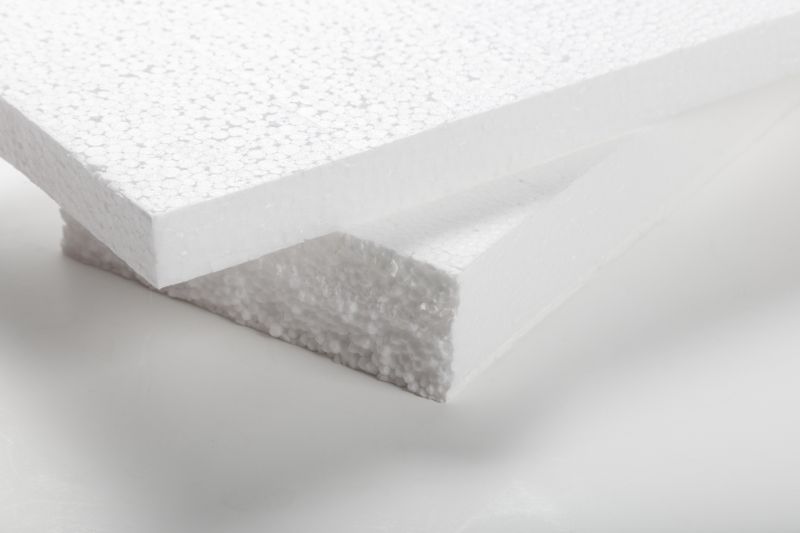
What types of rigid insulation are available? Common types include foam board, polyisocyanurate, and extruded polystyrene, each suitable for different applications and performance needs.
How does rigid insulation improve property energy efficiency? It creates a continuous barrier against heat transfer, reducing drafts and maintaining consistent indoor temperatures.
Request Rigid Insulation Installation in Boulder, CO
Use the quote form on this page to share the basics of your project and request more information for the type of work you need.